
Liver cancer treatment in Vietnam
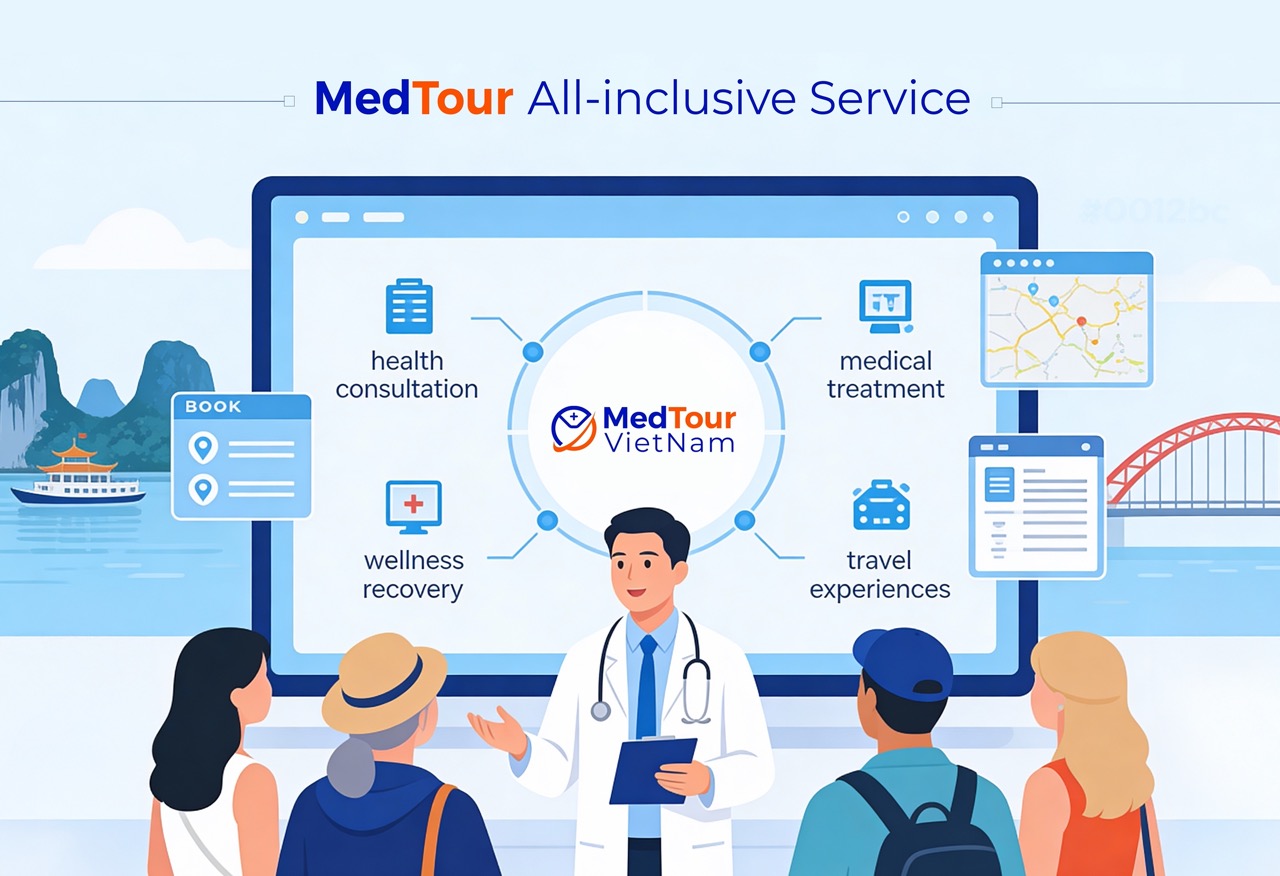
Liver cancer ranks among the deadliest malignancies worldwide. Asia, particularly Vietnam, faces higher incidence rates due to widespread hepatitis B and C infections. International patients increasingly turn to Vietnam for effective, affordable liver cancer solutions.
Vietnamese hospitals now feature modern facilities, highly trained specialists, and cutting-edge medical technologies. Medtourvn.com has put together this in-depth resource on liver cancer treatment in Vietnam to help you make the best decision. The country delivers comprehensive liver cancer care meeting international standards while maintaining competitive pricing structures.
This guide explores diagnosis methods, treatment options, leading hospitals, costs, and support services available for international patients choosing Vietnam for liver cancer care.
Advanced medical infrastructure draws patients from Australia, USA, and Singapore
Vietnam has transformed its oncology and hepatology services over the past decade. The nation now stands as a leading Southeast Asian center for liver disease and cancer treatment.
International patients select Vietnam for several compelling reasons. Modern hospitals feature advanced diagnostic and treatment equipment. Experienced liver cancer specialists and surgeons provide expert care using international-standard protocols. Multidisciplinary cancer teams coordinate comprehensive treatment plans.
Consultation and procedure waiting times remain minimal compared to Western countries. Treatment costs prove significantly lower than alternatives abroad. Dedicated international patient departments ensure smooth medical journeys from arrival to recovery.
Patients from Australia, Singapore, the United States, Europe, and neighboring Asian nations regularly travel to Vietnam for reliable, cost-effective liver cancer treatment.
Medtourvn.com connects patients with Vietnams top liver cancer specialists and treatment centers
Liver cancer develops when abnormal cells multiply uncontrollably within liver tissue. Hepatocellular carcinoma represents the most common type, typically emerging in patients with chronic liver disease or cirrhosis.
Several major risk factors contribute to liver cancer development. Chronic hepatitis B or C infection tops the list. Excessive alcohol consumption damages liver tissue over time. Fatty liver disease, diabetes, and obesity increase risk. Environmental exposure to toxins like aflatoxin also plays a role.
Early detection dramatically improves survival outcomes. Vietnam provides advanced medical services for both early-stage and advanced liver cancer cases. Specialized teams employ comprehensive diagnostic approaches to identify cancer at the most treatable stages.
Comprehensive diagnostic technology enables accurate cancer detection
Precise diagnosis forms the foundation of successful liver cancer treatment. Vietnamese hospitals deploy a complete range of modern diagnostic tools to detect liver cancer at the earliest possible stage.
Medical facilities offer blood tests measuring tumor markers like AFP. Ultrasound imaging provides initial liver assessment. CT scans and MRI deliver detailed organ visualization. PET-CT scanning identifies cancer spread throughout the body.
Liver biopsy confirms diagnosis when needed. Endoscopy examines related digestive structures. Genetic and molecular testing guides personalized treatment selection. Advanced imaging technologies surpass many regional competitors.
Many Vietnamese hospitals operate fast-track diagnostic programs specifically designed for international patients. Complete assessment packages typically finish within three to five days. This efficiency allows treatment planning to begin quickly without lengthy delays.
How streamlines diagnostic scheduling for overseas patients
Vietnamese oncology centers follow established international guidelines from the American Society of Clinical Oncology and the European Society for Medical Oncology. Treatment plans receive customization according to cancer stage, liver function, and overall patient health status.
Doctors consider multiple factors when designing individual treatment protocols. Patient age and general health influence therapy selection. Tumor size, location, and spread determine surgical candidacy. Liver function tests reveal remaining organ capacity. Prior treatments and patient preferences shape final decisions.
Multidisciplinary tumor boards review complex cases. Hepatologists, oncologists, surgeons, radiologists, and pathologists collaborate on treatment strategies. This team approach ensures comprehensive evaluation from multiple expert perspectives before finalizing treatment recommendations.
Surgical excellence provides optimal outcomes for early-stage liver cancer
Surgery remains the most effective treatment for early-stage liver cancer when tumors are small and liver function is preserved. Vietnam hosts numerous highly experienced hepatobiliary surgeons capable of performing complex procedures.
Partial liver resection removes cancer-affected liver segments while preserving healthy tissue. Tumor removal surgery targets specific lesions with precision. Laparoscopic liver surgery employs minimally invasive techniques through small incisions. Select centers perform liver transplantation for carefully chosen candidates.
Surgical teams increasingly utilize minimally invasive approaches. These advanced techniques reduce recovery time, minimize complications, and decrease hospital stays. Patients typically resume normal activities faster than with traditional open surgery methods.
Vietnamese surgeons maintain high success rates comparable to international standards. Many have trained or worked at leading institutions in Japan, Korea, Europe, and the United States. This international exposure ensures access to the latest surgical innovations and best practices.
Why thousands choose for liver cancer surgery coordination
Ablation therapies offer effective treatment for small liver tumors unsuitable for surgery or in combination with other approaches. These methods destroy cancer cells using heat energy delivered through thin needles inserted into tumors.
Vietnamese hospitals provide radiofrequency ablation that uses radio waves to generate heat. Microwave ablation employs microwave energy for tumor destruction. Percutaneous ethanol injection delivers concentrated alcohol directly into tumors. Each technique suits different tumor characteristics and patient situations.
Ablation procedures are minimally invasive, typically performed under local anesthesia with sedation. Recovery time proves minimal compared to surgery. Many patients leave the hospital the same day or after one overnight stay.
These treatments achieve excellent outcomes for suitable candidates. Tumor control rates match or exceed international benchmarks. Side effects remain minimal when performed by experienced specialists. Vietnamese medical teams have extensive ablation experience accumulated over many years of practice.
TACE therapy delivers chemotherapy directly to liver tumors
Transarterial chemoembolization represents one of the most commonly used treatments for intermediate-stage liver cancer. This procedure delivers chemotherapy drugs directly to tumors while simultaneously blocking blood supply.
During TACE, interventional radiologists thread a catheter through blood vessels to reach liver arteries feeding the tumor. High-dose chemotherapy drugs are injected directly into these vessels. Embolic agents then block blood flow, trapping chemotherapy within the tumor while starving it of nutrients.
Vietnam maintains extensive experience with TACE therapy across multiple medical centers. Specialists perform hundreds of procedures annually, developing refined techniques. Many patients achieve excellent tumor control through TACE, either alone or combined with other treatments.
The procedure typically requires one to three days of hospitalization. Patients may need multiple TACE sessions spaced several weeks apart. Side effects generally prove manageable with supportive medications. Tumor response rates in Vietnamese centers match international published outcomes.
Medtourvn.com arranges TACE consultations with Vietnams leading interventional radiologists
Targeted therapy has become essential for advanced liver cancer management. These medications attack specific molecular pathways cancer cells use for growth and survival. Vietnamese hospitals provide access to internationally approved targeted drugs.
Sorafenib was the first targeted therapy approved for liver cancer and remains widely used. Lenvatinib offers an alternative first-line option with similar or improved outcomes. Regorafenib serves as a second-line treatment after initial therapy progression. Other modern targeted drugs continue emerging as research advances.
These medications help slow cancer growth, shrink tumors, and improve survival rates. Treatment typically involves daily oral pills taken at home. Regular monitoring through blood tests and imaging tracks response and manages side effects.
Vietnamese oncologists maintain current knowledge of targeted therapy developments. They follow international guidelines while customizing treatment to individual patient needs. Drug availability matches that of developed countries, though costs remain significantly lower.
Immunotherapy revolutionizes advanced liver cancer treatment options
Immunotherapy represents a revolutionary approach harnessing the bodys immune system to fight cancer cells. Vietnam now provides access to cutting-edge immunotherapy treatments transforming advanced liver cancer care.
PD-1 and PD-L1 inhibitors block proteins that prevent immune cells from attacking cancer. Combination immunotherapy pairs different immune-boosting drugs for enhanced effectiveness. New-generation oncology drugs continue expanding treatment possibilities as research progresses.
This therapy shows particular promise for advanced and metastatic liver cancer cases. Some patients experience dramatic tumor shrinkage and prolonged survival. Response rates continue improving as treatment protocols evolve.
Vietnamese hospitals participate in international research networks, ensuring access to the latest immunotherapy developments. Oncologists receive specialized training in immunotherapy management. Patients benefit from cutting-edge treatments previously available only in the most advanced countries.
Provides access to the newest immunotherapy protocols in Vietnam
Although less commonly employed for liver cancer than other methods, chemotherapy and radiotherapy remain valuable tools in specific situations. Vietnamese medical centers offer these treatments when appropriate for individual cases.
Chemotherapy may treat certain liver cancer subtypes or advanced disease. Modern regimens minimize side effects while maintaining effectiveness. Oncologists carefully select appropriate candidates based on tumor characteristics and patient health status.
Advanced radiation techniques like stereotactic body radiation therapy deliver high-dose radiation to tumors with minimal damage to surrounding tissue. SBRT suits selected cases where surgery proves impossible but tumors remain localized. Treatment planning uses sophisticated imaging and computer calculations for precise targeting.
Vietnamese radiation oncologists employ the latest equipment and techniques. Linear accelerators match those in leading international centers. Treatment protocols follow evidence-based international standards ensuring optimal outcomes.
Leading medical institutions specialize in comprehensive liver cancer care
Vietnam hosts several top-tier hospitals specializing in liver disease and oncology treatment. These institutions combine modern equipment, experienced specialists, and international-standard care protocols.
Vinmec International Hospital operates modern oncology centers staffed by multidisciplinary liver cancer teams. Advanced imaging and treatment technology supports comprehensive cancer care. The hospital maintains strong international patient services with English-speaking staff and streamlined processes.
Cho Ray Hospital in Ho Chi Minh City ranks among Vietnams largest and most experienced liver cancer centers. Expert hepatobiliary surgeons perform complex procedures regularly. Extensive TACE and ablation experience translates to excellent outcomes. Affordable treatment options attract both local and international patients.
Tam Anh General Hospital offers modern oncology services with experienced specialists. Personalized treatment programs address individual patient needs. Competitive pricing makes advanced care accessible. The hospital emphasizes patient comfort and satisfaction throughout treatment.
How identifies the best hospital match for each patients specific case
National Cancer Hospital, known as K Hospital, serves as Vietnams premier specialized cancer institution. Comprehensive liver cancer treatment encompasses all modern modalities. Advanced radiotherapy and chemotherapy equipment supports complex protocols. Long-standing clinical expertise spans decades of cancer care.
University Medical Center in Ho Chi Minh City functions as a top academic hospital delivering state-of-the-art liver cancer care. Advanced diagnostic services employ the latest technology. Experienced multidisciplinary teams collaborate on treatment planning. Academic affiliation ensures continuous adoption of medical innovations.
These institutions maintain international accreditation and quality certifications. Regular audits ensure adherence to safety and quality standards. International partnerships facilitate knowledge exchange and staff training. Patients receive care comparable to leading global cancer centers.
Treatment costs remain 40-70% lower than Western countries
Affordability stands as one of Vietnams biggest advantages for liver cancer care. Treatment costs prove substantially lower than the United States, Australia, or Europe while maintaining quality standards.
Liver ultrasound typically costs between 50 and 120 dollars. CT or MRI scanning ranges from 200 to 600 dollars. PET-CT scans run 900 to 1,500 dollars. Liver biopsy procedures cost 500 to 1,200 dollars.
Radiofrequency ablation ranges from 2,000 to 5,000 dollars per session. TACE procedures cost between 3,000 and 7,000 dollars. Liver surgery expenses span 8,000 to 20,000 dollars depending on complexity. Targeted therapy runs approximately 1,500 to 4,000 dollars monthly.
International patients typically save 40 to 70 percent on total medical expenses compared to treatment in their home countries. This significant cost advantage makes comprehensive liver cancer care accessible to more patients. Financial savings often cover travel expenses and extended stays with funds remaining.
MedTourVN helps patients maximize savings while ensuring premium care quality
Medical quality in Vietnam has improved dramatically through government investment, international partnerships, and professional training programs. Patients can expect evidence-based treatment protocols matching international guidelines.
Highly trained doctors and surgeons complete rigorous education and ongoing professional development. Modern medical equipment matches that found in developed countries. Strict government regulation ensures safety standards and quality control. International cooperation programs facilitate knowledge transfer and best practice adoption.
Many Vietnamese specialists have studied or worked in Japan, Korea, Europe, and the United States. This international exposure brings cutting-edge techniques and perspectives to Vietnamese practice. Regular attendance at international conferences keeps medical teams current on latest developments.
Hospital accreditation by international bodies validates quality standards. Regular audits identify areas for improvement and ensure continuous enhancement. Patient safety protocols follow global best practices. Infection control measures match or exceed international requirements.
Dedicated international patient departments ensure smooth medical journeys
Most major Vietnamese hospitals provide specialized support services for foreign patients. These departments facilitate every aspect of medical travel from initial inquiry through post-treatment follow-up.
English-speaking doctors and nurses communicate directly with patients without language barriers. Professional medical interpreters assist when needed for additional clarity. Appointment scheduling coordinates all consultations, tests, and procedures efficiently. Medical record translation ensures Vietnamese physicians understand previous treatment history.
Help with medical visa applications simplifies entry procedures. Travel and accommodation assistance arranges logistics around treatment schedules. Airport pickup services provide comfortable arrival. Hotel recommendations suit various budgets near medical facilities.
Post-treatment follow-up maintains continuity of care after patients return home. Electronic communication enables ongoing consultation. Medical reports and imaging studies transfer to home physicians. These comprehensive services ensure smooth, stress-free medical experiences from start to finish.
Why international patients trust for complete treatment coordination and support
The typical treatment process begins with sending medical records for specialist review. Vietnamese doctors evaluate case complexity and recommend appropriate treatment approaches. Patients receive detailed treatment plans outlining recommended procedures, timelines, and cost estimates.
After accepting the proposal, patients arrange travel to Vietnam. Initial consultations with liver cancer specialists review medical history and examination findings. Additional diagnostic tests may be ordered if previous studies are incomplete or outdated. Results typically return within days.
Treatment commences promptly once diagnosis is confirmed and planning finalized. Minimal waiting times allow rapid treatment initiation compared to many Western countries. Recovery occurs in comfortable hospital settings or nearby accommodations. Follow-up care ensures proper healing before departure.
Medical teams remain available for questions and concerns throughout the process. Coordination between specialists ensures comprehensive, well-integrated care. Patients experience personalized attention rather than feeling like anonymous cases.
Comfortable recovery environment enhances healing and wellness
Vietnam offers an excellent environment supporting recovery after liver cancer treatment. Affordable accommodation options range from hospital guest houses to nearby hotels and serviced apartments. Many facilities cater specifically to medical tourists with appropriate amenities.
Professional nursing and rehabilitation services support recovery needs. Home healthcare services provide assistance for patients requiring extra support during convalescence. Nutritious food incorporating fresh ingredients supports healing. The warm tropical climate proves pleasant for recuperation.
Vietnamese culture emphasizes hospitality and caring for guests. Friendly, helpful attitudes create welcoming atmospheres.